10 Rabbana Duas From the Quran With Meaning in Urdu, Hindi & English
Rabbana means "our Lord": rabb (Lord) with -nā (our). Dozens of duas in the Quran begin with this one word, in the voices of Adam, Ibrahim, Musa (AS) and ordinary believers. Many of us know the first one by heart from namaz and have never looked at the others. Here are ten Rabbana duas that people read most, each with the Arabic, Pickthall's English, Maulana Junagarhi's Urdu and a Roman Urdu line, a note on when it is read, and then the words these ten duas share.
Ten Rabbana duas with meaning
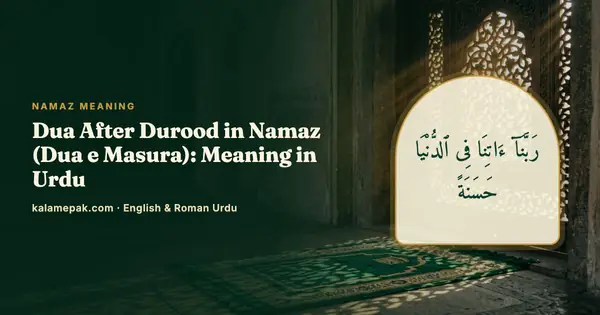
1. Good in both worlds (2:201)
And of them (also) is he who saith: "Our Lord! Give unto us in the world that which is good and in the Hereafter that which is good, and guard us from the doom of Fire."
Aur baaz log woh bhi hain jo kehte hain: Aey hamare Rab! Hamein duniya mein neki de aur aakhirat mein bhi bhalaai ata farma aur hamein azaab-e-jahannam se najaat de
Surah Al-Baqarah · 2:201
اور بعض لوگ وه بھی ہیں جو کہتے ہیں اے ہمارے رب! ہمیں دنیا میں نیکی دے اور آخرت میں بھی بھلائی عطا فرما اور ہمیں عذاب جہنم سے نجات دے۔
The dua most of us read after Durood in namaz. See dua after Durood.
2. Do not burden us beyond our strength (2:286)
Allah tasketh not a soul beyond its scope. For it (is only) that which it hath earned, and against it (only) that which it hath deserved. Our Lord! Condemn us not if we forget, or miss the mark! Our Lord! Lay not on us such a burden as thou didst lay on those before us! Our Lord! Impose not on us that which we have not the strength to bear! Pardon us, absolve us and have mercy on us, Thou, our Protector, and give us victory over the disbelieving folk.
Allah Ta'ala kisi jaan ko us ki taaqat se zyada takleef nahin deta; jo neki woh kare woh us ke liye aur jo buraai woh kare woh us par hai. Aey hamare Rab! Agar hum bhool gaye hon ya khata ki ho to hamein na pakadna. Aey hamare Rab! Hum par woh bojh na daal jo hum se pehle logon par daala tha. Aey hamare Rab! Hum par woh bojh na daal jis ki hamein taaqat na ho, aur hum se darguzar farma, aur hamein bakhsh de, aur hum par rahm kar. Tu hi hamara Maalik hai, hamein kaafiron ki qaum par ghalba ata farma
Surah Al-Baqarah · 2:286
اللہ تعالیٰ کسی جان کو اس کی طاقت سے زیاده تکلیف نہیں دیتا، جو نیکی وه کرے وه اس کے لئے اور جو برائی وه کرے وه اس پر ہے، اے ہمارے رب! اگر ہم بھول گئے ہوں یا خطا کی ہو تو ہمیں نہ پکڑنا، اے ہمارے رب! ہم پر وه بوجھ نہ ڈال جو ہم سے پہلے لوگوں پر ڈاﻻ تھا، اے ہمارے رب! ہم پر وه بوجھ نہ ڈال جس کی ہمیں طاقت نہ ہو اور ہم سے درگزر فرما! اور ہمیں بخش دے اور ہم پر رحم کر! تو ہی ہمارا مالک ہے، ہمیں کافروں کی قوم پر غلبہ عطا فرما۔
The last verse of Surah Baqarah; full word-by-word in Surah Baqarah last 2 ayat.
3. Keep our hearts straight (3:8)
Our Lord! Cause not our hearts to stray after Thou hast guided us, and bestow upon us mercy from Thy Presence. Lo! Thou, only Thou, art the Bestower.
Aey hamare Rab! Hamein hidaayat dene ke baad hamare dil tedhe na kar de, aur hamein apne paas se rehmat ata farma; yaqeenan Tu hi bahut badi ata dene wala hai
Surah Aal-e-Imran · 3:8
اے ہمارے رب! ہمیں ہدایت دینے کے بعد ہمارے دل ٹیڑھے نہ کردے اور ہمیں اپنے پاس سے رحمت عطا فرما، یقیناً تو ہی بہت بڑی عطا دینے واﻻ ہے۔
For steadfastness after guidance: the dua of those firm in knowledge.
4. We believe, so forgive us (3:16)
Those who say: Our Lord! Lo! we believe. So forgive us our sins and guard us from the punishment of Fire;
Jo kehte hain: Aey hamare Rab! Hum imaan la chuke, is liye hamare gunaah maaf farma aur hamein aag ke azaab se bacha
Surah Aal-e-Imran · 3:16
جو کہتے ہیں کہ اے ہمارے رب! ہم ایمان ﻻ چکے اس لئے ہمارے گناه معاف فرما اور ہمیں آگ کے عذاب سے بچا۔
The shortest Rabbana for forgiveness.
5. Forgive our sins and our excess (3:147)
Their cry was only that they said: Our Lord! forgive us for our sins and wasted efforts, make our foothold sure, and give us victory over the disbelieving folk.
Woh yahi kehte rahe: Aey parwardigar! Hamare gunaahon ko bakhsh de aur hum se hamare kaamon mein jo be-ja zyaadati hui hai use bhi maaf farma, aur hamein saabit-qadmi ata farma aur hamein kaafiron ki qaum par madad de
Surah Aal-e-Imran · 3:147
وه یہی کہتے رہے کہ اے پروردگار! ہمارے گناہوں کو بخش دے اور ہم سے ہمارے کاموں میں جو بے جا زیادتی ہوئی ہے اسے بھی معاف فرما اور ہمیں ﺛابت قدمی عطا فرما اور ہمیں کافروں کی قوم پر مدد دے.
What the companions of earlier prophets said in battle: forgiveness first, then firmness.
6. We have wronged ourselves (7:23)
They said: Our Lord! We have wronged ourselves. If thou forgive us not and have not mercy on us, surely we are of the lost!
Donon ne kaha: Aey hamare Rab! Hum ne apna bada nuqsaan kiya, aur agar Tu hamari maghfirat na karega aur hum par rahm na karega to waaqai hum nuqsaan paane walon mein se ho jaayenge
Surah Al-Aʿraf · 7:23
دونوں نے کہا اے ہمارے رب! ہم نے اپنا بڑا نقصان کیا اور اگر تو ہماری مغفرت نہ کرے گا اور ہم پر رحم نہ کرے گا تو واقعی ہم نقصان پانے والوں میں سے ہوجائیں گے۔
The dua of Adam and Hawwa (AS) after their mistake: the model for every tawbah.
7. Forgive me and my parents (14:41)
Our Lord! Forgive me and my parents and believers on the day when the account is cast.
Aey hamare parwardigar! Mujhe bakhsh de aur mere maa-baap ko bhi bakhsh aur deegar momino ko bhi bakhsh, jis din hisaab hone lage
Surah Ibrahim · 14:41
اے ہمارے پروردگار! مجھے بخش دے اور میرے ماں باپ کو بھی بخش اور دیگر مومنوں کو بھی بخش جس دن حساب ہونے لگے.
The dua of Ibrahim (AS) for his parents and all believers; read for parents, living or passed.
8. Comfort from spouse and children (25:74)
And who say: Our Lord! Vouchsafe us comfort of our wives and of our offspring, and make us patterns for (all) those who ward off (evil).
Aur yeh dua karte hain: Aey hamare parwardigar! Tu hamein hamari biwiyon aur aulaad se aankhon ki thandak ata farma aur hamein parhezgaaron ka peshwa bana
Surah Al-Furqan · 25:74
اور یہ دعا کرتے ہیں کہ اے ہمارے پروردگار! تو ہمیں ہماری بیویوں اور اوﻻد سے آنکھوں کی ٹھنڈک عطا فرما اور ہمیں پرہیزگاروں کا پیشوا بنا.
For a good family: the dua of the servants of Ar-Rahman.
9. Patience and firm feet (2:250)
And when they went into the field against Goliath and his hosts they said: Our Lord! Bestow on us endurance, make our foothold sure, and give us help against the disbelieving folk.
Jab un ka Jaloot aur us ke lashkar se muqaabla hua to unhon ne dua maangi: Aey parwardigar, hamein sabr de, saabit-qadmi de aur qaum-e-kuffar par hamari madad farma
Surah Al-Baqarah · 2:250
جب ان کا جالوت اور اس کے لشکر سے مقابلہ ہوا تو انہوں نے دعا مانگی کہ اے پروردگار ہمیں صبر دے، ﺛابت قدمی دے اور قوم کفار پر ہماری مدد فرما۔
Said by the small army of Talut before facing Jalut (Goliath). For exams, court dates and any fight you did not choose.
10. No ill will towards believers (59:10)
And those who came (into the faith) after them say: Our Lord! Forgive us and our brethren who were before us in the faith, and place not in our hearts any rancour toward those who believe. Our Lord! Thou art Full of Pity, Merciful.
Aur jo un ke baad aayen, woh kahenge: Aey hamare parwardigar! Hamein bakhsh de aur hamare un bhaaiyon ko bhi jo hum se pehle imaan la chuke hain, aur imaan-daaron ki taraf se hamare dil mein keena na daal; aey hamare Rab, beshak Tu shafqat o meherbaani karne wala hai
Surah Al-Hashr · 59:10
اور (ان کے لیے) جو ان کے بعد آئیں جو کہیں گے کہ اے ہمارے پروردگار ہمیں بخش دے اور ہمارے ان بھائیوں کو بھی جو ہم سے پہلے ایمان ﻻچکے ہیں اور ایمان داروں کی طرف سے ہمارے دل میں کینہ (اور دشمنی) نہ ڈال، اے ہمارے رب بیشک تو شفقت ومہربانی کرنے واﻻ ہے.
For those who came before us in faith, and for a clean heart towards other Muslims.
The English is Pickthall's translation and the Urdu is Maulana Muhammad Junagarhi's; the Roman Urdu is the Urdu line in English letters.
The words these duas share
Read the ten again and the same words keep coming back. Learn these and most Rabbana duas open up by themselves. The number is the word's place in 600 Words of the Quran.
| Arabic | Say it | Meaning | In the book |
|---|---|---|---|
| رَبَّنَا | rabbanā | our Lord | rabb #12 |
| ٱغْفِرْ لَنَا | ighfir lanā | forgive us | ghafara #130 |
| ذُنُوبَنَا | dhunūbanā | our sins | dhanb #354 |
| وَٱرْحَمْنَا | wa-rḥamnā | and have mercy on us | raḥima #298 |
| قِنَا عَذَابَ ٱلنَّارِ | qinā ʿadhāba n-nār | guard us from the punishment of the Fire | ʿadhāb #162, nār #165 |
| قُلُوبَنَا | qulūbanā | our hearts | qalb #126 |
| هَبْ لَنَا | hab lanā | grant us | wahaba #559 |
| ٱنصُرْنَا | unṣurnā | help us | naṣara #97 |
| صَبْرًا | ṣabran | patience | ṣabr #411 |
| ظَلَمْنَآ أَنفُسَنَا | ẓalamnā anfusanā | we have wronged ourselves | ẓalama #187, nafs #219 |
| ٱلدُّنْيَا / ٱلْءَاخِرَةِ | ad-dunyā / al-ākhirah | this world / the Hereafter | dunyā #166 |
| ٱلْمُؤْمِنِينَ | al-muʾminīn | the believers | muʾmin #122 |
Notice the pattern. Almost every Rabbana dua has three parts: Rabbanā (who you are asking), one or two verbs in the command form (ighfir, irḥam, hab, unṣur, qinā), and the object (dhunūbanā, qulūbanā, ʿadhāba n-nār). Once you can hear those three parts, you can follow any Rabbana dua you meet, even one you have never learnt.
How to use this page
- In namaz: 2:201 after Durood; many also add 2:286 or 3:8 in the last sitting or after the prayer.
- For parents: 14:41.
- For your family: 25:74.
- After a mistake: 7:23, the words of Adam (AS); then 3:16.
- Before something frightening: 2:250 and 3:147.
- For other Muslims: 59:10.
A related single-word dua, Rabbi ("my Lord") instead of Rabbanā ("our Lord"), begins the duas of Musa (AS): Rabbi inni lima anzalta and Rabbish rahli sadri.
The dua for parents that most people know, Rabbir-ḥamhumā kamā rabbayānī ṣaghīrā (17:24), also begins with Rabbi; its word by word meaning, with 14:41 and 71:28 beside it, is on Rabbir hamhuma meaning.
Sources: Quran text from the Quranic Arabic Corpus and Tanzil · verse meanings in English from Marmaduke Pickthall and in Urdu from Maulana Muhammad Junagarhi · meanings of duas and phrases in Roman Urdu, Urdu and Hindi are our own plain renderings · hadith with collection and number, linked to sunnah.com. How we check every article →
Frequently asked questions
What does Rabbana mean?
Rabbana means 'our Lord': rabb (Lord, word #12 in the book) plus -na (our). The Quran uses it to begin many duas of the prophets and the believers.
How many Rabbana duas are there in the Quran?
The word Rabbana begins a dua many dozens of times in the Quran. People often speak of '40 Rabbana duas', a traditional selection; this page gives ten that are read most, each with its verse reference so you can find the rest around them.
Which Rabbana dua is read in namaz?
Rabbana atina fid dunya hasanah (2:201) is the one most people read after Durood Ibrahim before salam. Rabbana la tu'akhidhna (2:286) is read by many in tahajjud and after prayers.
Can I read Rabbana duas in Urdu or Hindi?
The duas are Quranic verses, so read them in Arabic and learn the meaning in your language. Asking Allah in your own words afterwards, in Urdu or Hindi, is also dua.